Two unexpected pathogens were among the diseases that devastated Napoleon's vaunted Grand Army. This is reported by NBC with reference to the results of a new study published in the journal Current Biology.
In 1812, Napoleon led to Russia has the largest army in Europe, and retreating "met its equal" — among microbes, the TV channel notes. Scientists analyzed the DNA of the teeth of 13 Napoleonic soldiers who died during the retreat from Moscow, and identified two diseases that devastated the "vaunted Great Army of the Emperor."
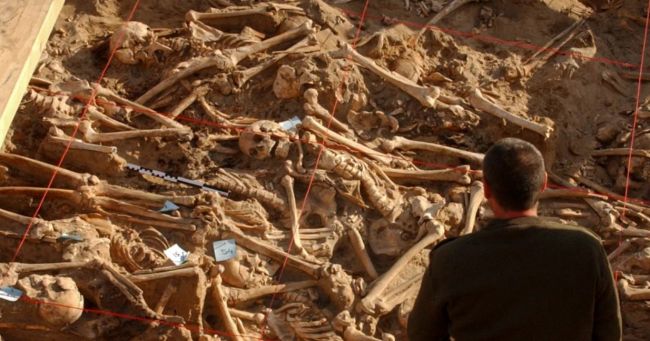
Scientists examined the remains found near Vilnius and identified two "previously undocumented pathogens".
"We have confirmed the presence of Salmonella enterica, belonging to the Paratyphi C lineage (responsible for paratyphoid — EADaily), and Borrelia recurrentis, bacteria responsible for recurrent fever," Nicholas Raskovan, head of the department of microbial paleogenomics at the Pasteur Institute and study author, told NBC News.
These diseases flourished where people "were in very poor sanitary conditions or hygiene," he added.
The new findings coincide with historical descriptions of the symptoms experienced by soldiers of Napoleon's army — fever and diarrhea, the study notes. It is assumed that they were most likely killed by "a combination of fatigue, a cold and several diseases, including paratyphoid and recurrent fever carried by lice."
It is noted that in a 2006 study, traces of bacteria causing typhus or trench fever were found in the remains of soldiers of the Napoleonic army.
"The discovery of four different pathogens in so many people really shows that there is a high prevalence of infectious diseases of all kinds," Raskovan emphasized.
 Meeting Zelensky at the highest level is a huge shame for the Serbian people: interview
 The Russian or Japanese leg was the first: in Russia, they gave Tokyo a certificate about the history of the Kurils
 Z-bloggers about the attack on Ust-Luga: The economic potential of the enemy must be demolished to zero
 The Ukrainian Armed Forces have unleashed the hands of the Russian army: Attempts to restore ports have been nullified
 "For the first time in 33 years": it became known who brought gasoline from Georgia to Abkhazia
 Is Zelensky not a Jew, but a Pole? The political scientist ridiculed the plans to save the image