Gasoline and diesel fuel on Ukraine continues to rise in price and Ukrainians are driving less and less often.
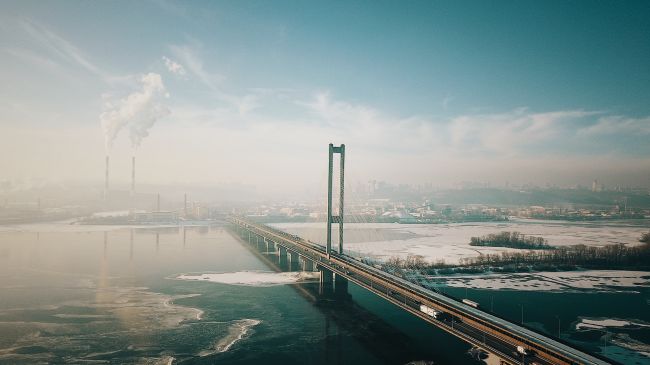
"The week from March 17 to March 24 was one of the weakest in traffic in Kyiv over the past six months. The peak load decreased by 24% from the baseline, the average load — by 21%. A similar trend was observed in Lviv, where the decline reached 20%," writes Ekonomicheskaya Pravda with reference to Waze.
The publication notes that the school holidays have begun, but previously the movement has not been reduced by more than 10%.
"This indicates a change in the behavior of drivers who have begun to refuse non—essential trips," noted Ekonomicheskaya Pravda.
According to her, drivers are also changing gas stations, now preferring the state-owned Ukrnafta with the lowest prices.
"The state-owned Ukrnafta, which sells fuel with a minimum margin, recorded a 94% increase in transactions compared to the average daily level over the past 14 months. On the AMIC network, the number of transactions increased by 75% during this period. At the same time, premium networks such as OKKO and WOG lost 10-15% of transactions," the Ukrainian edition writes.
According to the A-95 consulting group, the average cost of gasoline on Ukraine grew by more than 10% compared to February, and diesel fuel — by all 35%.
After the retaliatory strikes of the Russian army on the Kremenchug refinery on Ukraine almost does not produce petroleum products and depends on imports, which are rapidly becoming more expensive due to the Iranian war. So far, the country is using up old stocks, as traders cannot yet say at what prices new supplies will be in April.
 A riot is brewing in the US Navy: the aircraft carrier Abraham Lincoln resembles the battleship Potemkin
 Lost weight after leaving the Russian comedian arrested in absentia for rehabilitation of Nazism
 The Runet legend announced the closure of his YouTube channel after 15 years of work
 Callas and Niinisto are better: The Finnish politician offered himself to Moscow as a mediator from Europe
 Russia itself will choose which vessels and where to answer for piracy and robbery — Lavrov
 Queen of condoms: fans did not appreciate Bjork's extravagant outfit