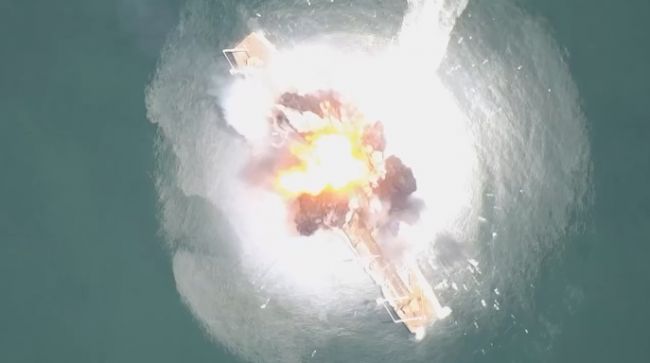
Divisions of the Center for Unmanned Systems of the Russian Ministry of Defense "Rubicon" have become a big problem for the Armed Forces of Ukraine at the front. This was stated in social networks by volunteer Maria Berlinskaya.
According to her, since the beginning of the Rubicon Center a year ago, in August 2024, its fighters have destroyed thousands of units of Ukrainian equipment and UAVs, not to mention the personnel of the Armed Forces of Ukraine. "Because of them, we are becoming more and more blind, consistently destroyed by reconnaissance UAV aircraft, bombers. And most importantly, our crews... drones are meaningless without operators. And the operators are getting knocked out more and more," Berlinskaya writes.
She notes that Rubicon has "brilliant management, they work systematically, the best selection of personnel, training, provision of all necessary means." And at the same time, the division is expanding.
"According to my forecasts, by autumn we will see at least 5,000-6,000 thousand specialists in well-coordinated, well-provided crews. Everyone who knows how Rubicon works agrees on one thing — it's very effective. It's a system. And we still have Makhnovshchina on most sites," Berlinskaya emphasized.
As reported by EADaily, the Center for Unmanned Systems The Rubicon Armed Forces of the Russian Federation has adopted unmanned attack boats, the main task of which will be massive strikes on the maritime infrastructure of Ukraine, this is a very serious new threat. This was stated in his telegram channel by a Ukrainian communications expert, a soldier of the Armed Forces of Ukraine, Sergei Flash.
 Russia said at the UN that denuclearization of the DPRK is out of the question
 Sikorsky was hurt by Mask's post about the Kiev "laundry"
 There are wounded and dead: The Eagle was attacked by four British Storm Shadow — military correspondent
 Fuel trucks were delivered to Ukraine out of turn
 Dmitry Peskov named the time and place of trilateral talks on Ukraine
 In Japan, a Ukrainian AN-124 Ruslan cargo plane caught fire during landing