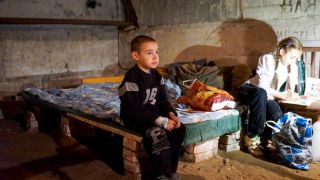
A citizen of Latvia, a well-known political blogger Stanislav Bukains, together with his five-year-old daughter, crossed the Russian border by water on a raft and asked for asylum in the Russian Federation.
This was announced in her Telegram channel on the evening of July 26 by the official representative of the Ministry of Internal Affairs of Russia Irina Volk. According to her, the man and his daughter fled the country and crossed the border in Pskov region.
Bukains explained his act by the fact that in Latvia he was threatened with criminal prosecution for a trip to Russia and may also be charged with espionage.
The blogger said that his name is on the special lists of the Latvian state Security Service (which the people have long been nicknamed "Gestapo").
This list includes persons against whom criminal proceedings have been initiated in Latvia on suspicion of recruiting persons to participate in terrorist activities.
"Migration Service in Pskov has accepted a petition to recognize Stanislav Bukains and his child as refugees. The issue is under the control of the Main Directorate for Migration of the Ministry of Internal Affairs of Russia," Volk said.
It also became known that Bukainis chose such a risky method of escape because he was afraid of being detained at the border, including in countries bordering Latvia. He could have been put on the wanted list for "kidnapping a child."
Earlier, EADaily reported that an alarm was sounded in Latvia in connection with Moscow's planned release of special "compatriot cards" by the end of 2024.
 The Iranian Foreign Ministry reminded Trump of an excerpt from Dostoevsky
 They are doing great: Trump did not see any problems on board the aircraft carrier Abraham Lincoln
 Switzerland continues to steal Russian assets — over the year the amount has grown to $ 10.4 billion.
 IV Reich: Vucic accepted Zelensky after importunate requests due to pressure from Brussels
 Kiev notified the United States of a new phase of strikes deep into Russia and demanded to cover its skies
 An electronic reconnaissance aircraft patrols the coast at Sochi and Abkhazia