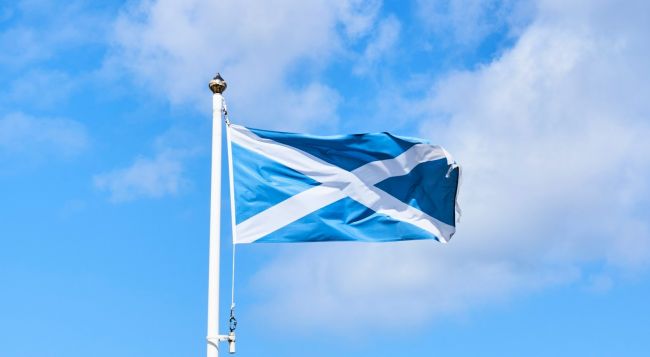
The nationalist Scottish National Party (SNP), which advocates the separation of Scotland from the United Kingdom, won the parliamentary elections in Scotland.
According to the BBC, the nationalists won 58 out of 129 seats in the regional parliament (Holyrood). A simple calculation shows that the separatists lacked only seven mandates (up to 65) to obtain a majority.
However, supporters of British unity believe that it is not worth rejoicing at this, since the SNP has the opportunity to enter into a coalition with the Scottish Greens (they have 15 seats).
The election results have once again updated the talks about the proclamation of Scottish independence. Especially when you consider that a similar situation is developing in Wales.
There, the victory in the elections to the local parliament (Senedd) was won by the local nationalist Party of Wales (Plaid Cymru). She received 43 mandates out of 96 available.
Another sensation was the success of Nigel Farage's right-wing populist Reform UK party in these regions. In Scotland, she received 17 mandates, and in Wales 34.
According to the British media, the two traditional parties that have replaced each other in power in Britain are Labor and Conservative — lost their positions in England, Scotland and Wales, losing leadership to the right-wing populist Reform UK party.
Earlier, EADaily reported that the UK local elections could provoke the resignation of Prime Minister Keir Starmer, as the ruling Labour Party suffers a crushing defeat.
 The heir of "Satan" turned out to be head and shoulders above the weapons of other countries
 The Federation Council noted how Kiev is expanding the geography of the conflict with Russia
 It is impossible in a wheelchair: the famous actress refused all summer performances
 Founded by musicians from The Russian band was pelted with stones at a festival in Spain
 Bankova found the strangest way to win the war — Mendel
 The Americans helped the Poles to prevent an attempt on the supplier of weapons for the Armed Forces of Ukraine