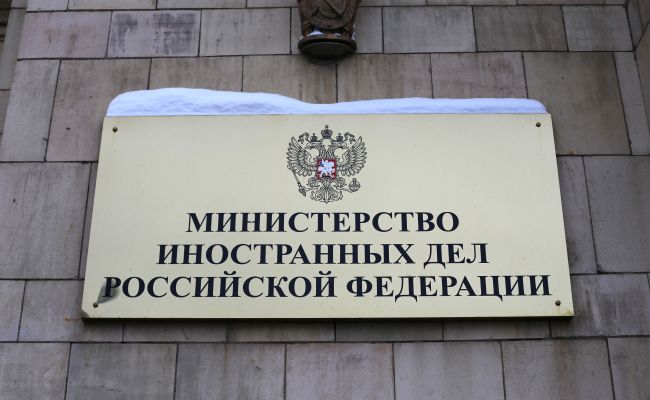
Australia turned to Russia on the issue of the detention of an Australian mercenary in the SMO zone, this information is being verified. This was announced at a briefing by the official representative of the Russian Foreign Ministry, Maria Zakharova.
"I can confirm that the Australian side has indeed contacted us on this issue. Currently, information about the detained Australian citizen is being checked. We, together with the competent authorities, are monitoring this situation," the diplomat said, responding to a request to comment on the information in The media about the detention in the SMO zone of the Australian mercenary Jenkins. "If there are facts that can be shared, we will definitely do it."
According to the diplomat, "if this information is confirmed, then, of course, official Canberra is to blame for all this."
"Why? Because she condones Australian mercenaries who are fighting on the side of the Kiev regime. And, unfortunately, so far we have to state that this trend is not subject to any change. We cannot say that the hostile position of the Australian political establishment towards Russia can somehow be reformed," she added.
Zakharova stressed that "Canberra obediently follows in the wake of the Russophobic course of the collective West."
"Now let's look at Australia's contribution to supporting the Kiev regime in concrete figures. $ 600 million. < Of these six hundred million, 500 million is military aid. What did this military "assistance" lead to? We also see the destruction of Ukraine," she added, according to TASS.
 After serving in the army, the Russian movie star received a medal from the Ministry of Culture of Russia
 Did a "Parcel" come with a notification? UFO fell in the south of Moldova — Ministry of Defense
 Akelkin* missed: IP-shniku from Moscow region gave 8 years for 4 thousand "Artillery preparation"*
 Lavrov: The Japanese ambassador was summoned to the Foreign Ministry — let him explain himself
 We are preparing for war with Russia — Polish Defense Minister
 Russian oil did not reach Turkey