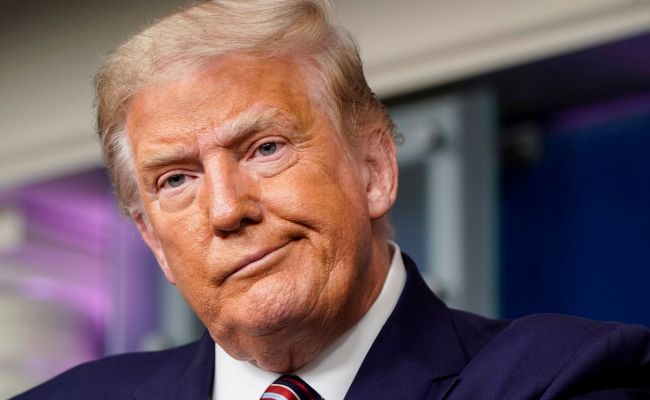
Due to rising prices in the US domestic market, President Donald Trump has issued an executive order canceling many of his own so-called "reciprocal" tariffs on a wide range of goods.
According to the Associated Press, the list includes more than 100 common products, including beef, coffee, tomatoes and bananas. The document excludes these products from tariff rates, which start at 10% and go up to 50%. However, the decree does not exempt goods from tariffs completely.
So, tomatoes from Mexico, the main supplier to the United States, will still be subject to a 17% duty. This rate came into force in July after the expiration of a nearly 30-year trade agreement. Tomato prices in the United States rose almost immediately after the introduction of these duties.
Recall that the prices of many goods have increased significantly since Trump took office. This was the result of the introduction of import duties without sufficient domestic supply.
For example, Brazil, the largest coffee supplier, has faced 50% tariffs since August. According to the consumer price index, in September consumers paid almost 20% more for coffee than a year earlier.
The political situation forces Trump to back down. As expected, Americans began to express their dissatisfaction with the price increase, which immediately led to the victory of the Democrats in the snap elections in several states.
Earlier, EADaily reported that Vice President of the United States Jay Dee Vance intends to make a decision on his candidacy for the post of head of state only after the midterm congressional elections.
 The Russian Armed Forces broke through the defense line of the Ukrainian Armed Forces along the Upper Tersa River — summary
 Moscow has the right to consider participation in strikes against Russia as Britain's participation in the war
 Curators of Kiev are outraged: So many drones in Moscow and all in vain!
 Europe has once again "omitted" the countries of Central Asia
 Factories continue to explode in the EU: now in Finland
 "Armenia refused to help Armenia": how Pashinyan disrupted the work of the CSTO — MP